Добро пожаловать на подкаст Speaking of Mol Bio
Академические профили исследователей в области химии
Результаты предварительных клинических исследований нашего нового металлотерапевтического препарата на основе рутения подтверждают нашу ориентацию на исследования в сложных случаях лечения инвазивных опухолей, таких как тройно-отрицательный рак груди (TNBC). Эта злокачественная опухоль в основном поражает молодых женщин, чаще черных или с мутацией гена BRCA1. В силу своей быстрой скорости роста и распространения TNBC отличается от других инвазивных раков молочной железы меньшим количеством вариантов лечения и худшим прогнозом, где существующие терапии в основном неэффективны, что приводит к большой нерешенной биомедицинской проблеме.
В этом контексте мы воспользовались экспериментальной моделью TNBC как в ин витро, так и in vivo, чтобы изучить эффекты биосовместимой катионной липосомальной наноформуляции под названием HoThyRu/DOTAP, способной эффективно доставлять антипролиферативный рутений(III) комплекс AziRu, что приводит к возникновению перспективного кандидата в качестве лекарственного препарата. В рамках мультицелевых механизмов, характерных для металлосодержащих препаратов, альтернативных платиновым препаратам, мы подтверждаем потенциал липосом HoThyRu/DOTAP действовать как мультимодальное противораковое средство путем ингибирования роста и пролиферации клеток TNBC, а также их миграции и инвазии. Полученные здесь предварительные данные свидетельствуют о потенциальной возможности направленного воздействия на сложные пути, контролирующие инвазивные и миграционные фенотипы раковых клеток.
В целом, в области альтернативной химиотерапии платиновым препаратам эти результаты предлагают новые перспективы для комбинированного наноструктурированного комплекса AziRu для достижения перспективных целей в лечении метастатического TNBC.
Ключевые слова
- рутений(III) комплекс
- нуклеолипидная наносистема
- липосомы DOTAP
- тройно-отрицательный рак груди (TNBC)
- предварительные исследования
- противораковая активность
- миграция и инвазия клеток
Поглощение рутения клетками
Fluorescence studies, performed by means of specific fluorescent probes and confocal microscopy, as thoroughly described in the experimental section, revealed significant activation of PCD pathways after exposure of MDA-MB-231 cells to the IC50 concentration of HoThyRu/DOTAP for 48 h. As underscored in fluorescence microphotographs (a), treatment of cells with HoThyRu/DOTAP caused a marked activation of apoptosis. The probe associated with the green fluorescence signal selectively recognizes the membrane PS, whose exposure to the outer plasma membrane is a feature of apoptosis, enabling recognition and phagocytosis. The analysis of the percentage of positive green fluorescence cells shows results rather similar to those obtained after cisplatin application in vitro (b). Conversely, no evidence of necrosis (red fluorescence) was detectable. In the same experimental model, fluorescence analysis for the evaluation of autophagy activation (green fluorescence signal) highlighted a marked appearance of autophagic vacuoles (i.e., autophagosomes and autophagolysosomes), especially in the perinuclear cytosolic regions of treated MDA-MB-231 cells (a,b). Rapamycin was used as the positive control for autophagy activation.
Antimetastatic Effect In Vitro
Invasion and migration ability of MDA-MB-231 cells in response to HoThyRu/DOTAP treatment. MDA-MB-231 cells were starved and treated or not with a sub-IC50 concentration of HoThyRu/DOTAP (24 μM, i.e., 7.2 µM of AziRu) for the indicated times (24 and 48 h). The ability of cells to invade the matrix and then migrate through a semipermeable membrane in the Boyden chamber in response to HoThyRu/DOTAP application in vitro was analysed directly in fluorescence according to the manufacturer’s recommendations and reported in bar graphs. Data originate from the average ± SEM values of three independent experiments. * p ˂ 0.05 vs. control cells; ** p < 0.01 vs. control cells.
Wound healing assay showed inhibitory effects of HoThyRu/DOTAP on cell migration. (a) Representative images by light microscopy showing MDA-MB-231 cell migration for the indicated times (0, 24, 48, 72, and 96 h), previously treated or not for 48 h with HoThyRu/DOTAP at the sub-IC50 concentration of 24 µM. The scale bar represents 250 µM. (b) At the endpoints, migration was monitored under a phase contrast microscope (10× objective), and the percentage of wound closure depending on cell migration ability was determined by ImageJ FIJI software and reported in a line graph as the average ± SEM values of three independent experiments. ** p < 0.01 vs. control cells; *** p < 0.001 vs. control cells.
Analysis of a Limited Panel of EMT Markers by RT-qPCR
The calculation of the concentration required to inhibit the net increase in the cell number and viability by 50% (IC50) is based on plots of data (n = 6 for each experiment) and repeated five times (total n = 30). IC50 values were calculated from a dose-response curve by nonlinear regression using a curve fitting program, GraphPad Prism 8.0, and are expressed as mean values ± SEM (n = 30) of five independent experiments.
Colony Formation Assay
MDA-MB-231 cells were seeded out in 100 mm culture Petri dishes at a density of 5 × 10⁵ and incubated for 24 h to allow for attachment to the plate surface. The medium was then replaced with fresh medium, and cells were treated for further 48 h with IC50 concentrations of HoThyRu/DOTAP (30 µM, i.e., 9 µM of AziRu) and cDDP (7 µM) used as a positive control. After treatments, cells were collected by trypsinization and inoculated in six-well culture plates at a density of 2 × 10³ and allowed to grow for about 15 days. On the day of staining, the culture medium was removed, and the cells were washed twice with cold PBS. Then, cells were fixed for 10 min with ice-cold 4% paraformaldehyde, washed twice with cold PBS, and then stained with 0.5% crystal violet (water 40%; methanol 50%; acetic acid 10%; crystal violet 0.5%) in sterile water (500 µL/well) for 30 min at RT. Excess dye was discarded by washing the plates for 15 min in fresh water. After washing, the colonies were counted, and the reported results were representative of three independent experiments.
Fluorescent Detection of Apoptosis, Autophagy, and Necrosis
Cell collective migration ability was determined by the wound healing assay, an established two-dimensional (2D) technique also known as the scratch assay. MDA-MB-231 cells, previously treated or not for 48 h with a sub-IC50 concentration of HoThyRu/DOTAP (24 μM, i.e., 7.2 µM of AziRu), were then cultured into 24-well plates at a density of 1.5 × 10⁵ in serum-free medium. The bottom of each well was scratched with a sterile pipette tip (P10 micropipette tip). Vertical scratches were drawn through an about 80% confluent monolayer. The culture medium was removed, and cells were washed twice with sterile PBS to remove cell debris. Since cell proliferation can compete with cell migration to fill the gap made during the assay, preliminary experiments were performed to optimize the medium by decreasing serum concentration (serum starvation) to control cell proliferation. At the established time endpoints, migration was monitored under a phase contrast microscope. The wound area and the percentage of wound closure depending on cell migration ability were determined by ImageJ FIJI software. Independent experiments were performed three times.
RNA extraction from untreated MDA-MB-231 (control cells) and MDA-MB-231 treated with HoThyRu/DOTAP at a sub-IC50 concentration (24 µM) for 48 h was performed with NORGEN Total RNA Purification Kit (Cat. 17200) according to the manufacturer protocol. Total cDNA was obtained using Applied Biosystems High-Capacity cDNA Reverse Transcription Kit with RNAse Inhibitors (Cat. 4374966). RT-qPCR was performed using Applied Biosystems FAST SYBR Green Master Mix (Cat. 4385612) and specific qPCR primers for E-Cadherin (Epithelial Cadherin), N-Cadherin (Neural Cadherin), Vimentin, Slug (Snail2), Snail (Snail1), and GAPDH (used as housekeeping gene) obtained by Eurofins Scientifics. The primer sequences are listed below. E-cadherin: FW-GAG TGC CAA CTG GAC CAT TCA GTA; RV-AGT CAC CCA CCT CTA AGG CCA TC. N-cadherin: FW-GAC ATT GTC ACT GTT GTG TCA CCT G; RV-CCG TGC CTG TTA ATC CAA CAT C. Vimentin: FW-TGA CAA TGC GTC TCT GGC AC; RV-CCT GGA TTT CCT CTT CGT. Slug: FW-TTT CTT GCC CTC ACT GCA AC; RV-ACA GCA GCC AGA TTC CTC AT. Snail: FW-CCT CCC TGT CAG ATG AGG AC; RV-CTT TCG AGC CTG GAG ATC CT. GAPDH: FW-GGA GTC AAC GGA TTT GGT CG; RV-CTT CCC GTT CTC AGC CTT GA. Qiagen Rotor-Gene Q MDx Platform and 0.2 µL tubes and caps were used for the RT-qPCR run, the results were then analyzed using the 2−∆∆Ct method. Graphs and t-test analyses were conducted using GraphPad Prism 8.0.
Subcellular Fractionation
MDA-MB-231 cells were grown on standard 100 mm culture dishes by plating 8 × 10⁵ cells. After 24 h of growth, the cells were incubated with an IC50 concentration of HoThyRu/DOTAP (30 µM) for 24 h under the same experimental conditions described for bioscreen assays. At the end of the treatment, the culture medium was collected, and the cells were enzymatically harvested by trypsin, then centrifuged at RT for 3 min at 300× g. The cell pellets were resuspended in 500 μL of a solution I (10 mM HEPES pH 7.9, 10 mM KCl, 0.1 mM MgCl2, 0.1 mM EDTA, 0.1 mM DTT, Protease Inhibitor Cocktail) and centrifuged at 2000 rpm for 10 min at 4 °C. The supernatant, representing the cytosolic fraction, was separated from the pellets, which, in turn, contained the nuclear and mitochondrial fractions. The pellets were washed three times with solution I, and then 200 µL of lysis buffer (10 mM HEPES, 3 mM MgCl2, 40 mM KCl, 5% glycerol, 1 mM DTT, 0.2% NP40) was added and incubated for 30 min in ice. After centrifugation at 4 °C for 30 min at 500× g, the pellets enriched in the nuclear fraction were obtained. To acquire the purified DNA fraction, the pellets were suspended in DNA lysis buffer (50 mM Tris-HCl, pH 8.0, 0.5 mM EDTA, 100 mM NaCl, 1% SDS, 0.5 mg/mL proteinase K) and incubated at 50 °C for 1 h. After incubation, 10 mg/mL RNase was added to the lysates and incubated for 1 h at 50 °C. DNA was precipitated with NaOAc pH 5.2 and ice-cold 100% EtOH and then centrifuged at 14,000× g for 10 min. The pellets were dissolved in TE buffer (10 mM Tris-HCl, pH 8.0, 1 mM EDTA). To obtain the mitochondrial fraction, the reagent-based method of mitochondria isolation kit for mammalian cells (Thermo ScientificTM, Waltham, MA, USA) was used. Briefly, 2 × 10⁷ cells treated as above reported, were centrifugated (850× g for 2 min), and the pellet was suspended in 800 µL of mitochondria isolation reagent A for max 2 min; 10 µL of mitochondria isolation reagent B was then added. Tubes were incubated on ice for 5 min, after which 800 µL of mitochondria isolation reagent C was added. Finally, differential centrifugation protocols to separate the mitochondrial and cytosolic fractions with a microcentrifuge (Eppendorf, Tokyo, Japan) were performed according to the manufacturer’s datasheet. Aliquots of culture media, cellular pellets, cytosolic, mitochondrial, and nuclear fractions, as well as DNA samples, were subsequently analyzed by inductively coupled plasma-mass spectrometry (ICP-MS) to determine the ruthenium amounts in each sample.
Animals and Experimental Design
Four-week-old female athymic nude Foxn1nu mice (23–26 g) were purchased from Envigo RMS (Udine, Italy) and kept in an animal care facility at a controlled temperature of 22 ± 3 °C, humidity (50 ± 20%), and on a 12:12 h light-dark cycle (lights on at 07:00 h). All mice were acclimatized to the environmental conditions for at least five days before starting the xenograft experiments. They were housed in Plexiglas cages (five mice/cage) equipped with air lids, kept in laminar airflow hoods, and maintained under pathogen-limiting conditions. Animals were maintained with free access to sterile food and water. Sterile food was purchased from Envigo (Teklad global 18% protein #2018SX, Envigo, Madison, WI, USA). Cages and water were autoclaved before use. Mice were randomly divided into two groups (untreated xenotransplanted and xenotransplanted treated with HoThyRu/DOTAP) and then used to set up xenograft models (n = 5 animals for each experimental group). Animal studies were conducted in accordance with the guidelines and policies of the European Communities Council and were approved by the Italian Ministry of Health (n.354/2015-PR). Protocols and procedures for in vivo studies were performed under the supervision of veterinary experts according to European Legislation. All procedures were carried out to minimize the number of animals used and their suffering.
Generation of Human TNBC-Derived Xenograft Models in Nude Mice
At 80% confluence, MDA-MB-231 cells were trypsinized and harvested. Cell number was determined by TC20 automated cell counter (Bio-Rad, Milan, Italy) with a specific dye (trypan blue) exclusion assay. Aliquots containing 5 × 10⁶ cells were opportunely 1:3 mixed in Matrigel® Matrix (Growth Factor Reduced, Corning, Bedford, MA, USA), and tumors were established by subcutaneous (s.c.) injection into the right flank of each mouse. Mice were randomly assigned to each of the two xenotransplanted experimental groups (untreated xenotransplanted and xenotransplanted treated).
Experimental Protocols and Therapeutic Scheme
Starting from the week-later implantation of human BCC in nude mice (measurable subcutaneous tumors of about 300–500 mm3), tumor volumes in xenotransplanted mice were determined throughout the study using an external caliper. Specifically, the largest longitudinal (length) and transverse (width) diameters were monitored and recorded every two days. Tumor volume measurements were then calculated by the formula V = (Lenght × Width2)/2.
Animal Supervision and Monitoring throughout the Preclinical Study
Animals were checked daily by veterinarians, and their state of health was monitored continuously. Mice body weights were recorded every two days by MS-Analytical and Precision Balance (Mettler Toledo, Columbus, OH, USA). Special attention was given to the tumor size as well as to the skin area near the tumor lesion to avoid animal pain.
Surgical Procedures, Harvest of Tumors, and Biological Samples Collection
This research received no external funding.
The animal study protocol was approved by the European Communities Council and were approved by the Italian Ministry of Health (n.354/2015-PR, approved in 2015).
Informed Consent Statement
The authors declare no conflict of interest.
Footnotes
Disclaimer/Publisher’s Note: The statements, opinions and data contained in all publications are solely those of the individual author(s) and contributor(s) and not of MDPI and/or the editor(s). MDPI and/or the editor(s) disclaim responsibility for any injury to people or property resulting from any ideas, methods, instructions or products referred to in the content.
References
Articles from International Journal of Molecular Sciences are provided here courtesy of Multidisciplinary Digital Publishing Institute (MDPI)
Let’s see what awaits visitors to restaurants and cafes in 2024
HoReCa industry does not stand still and, like other industries, responds to the challenges of the time with new culinary delights, technological solutions and marketing strategies. We have collected 10 main trends in the development of restaurants and cafes that we will observe in 2024.

Fusion cuisine
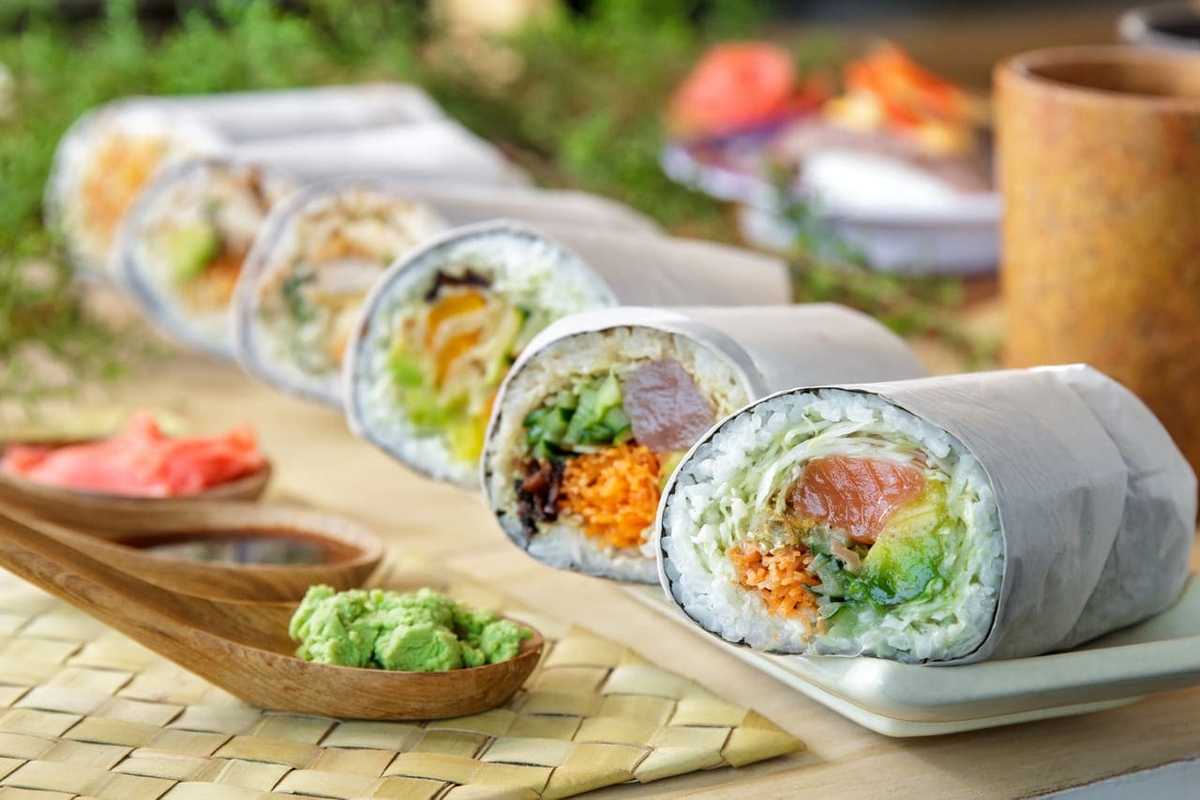
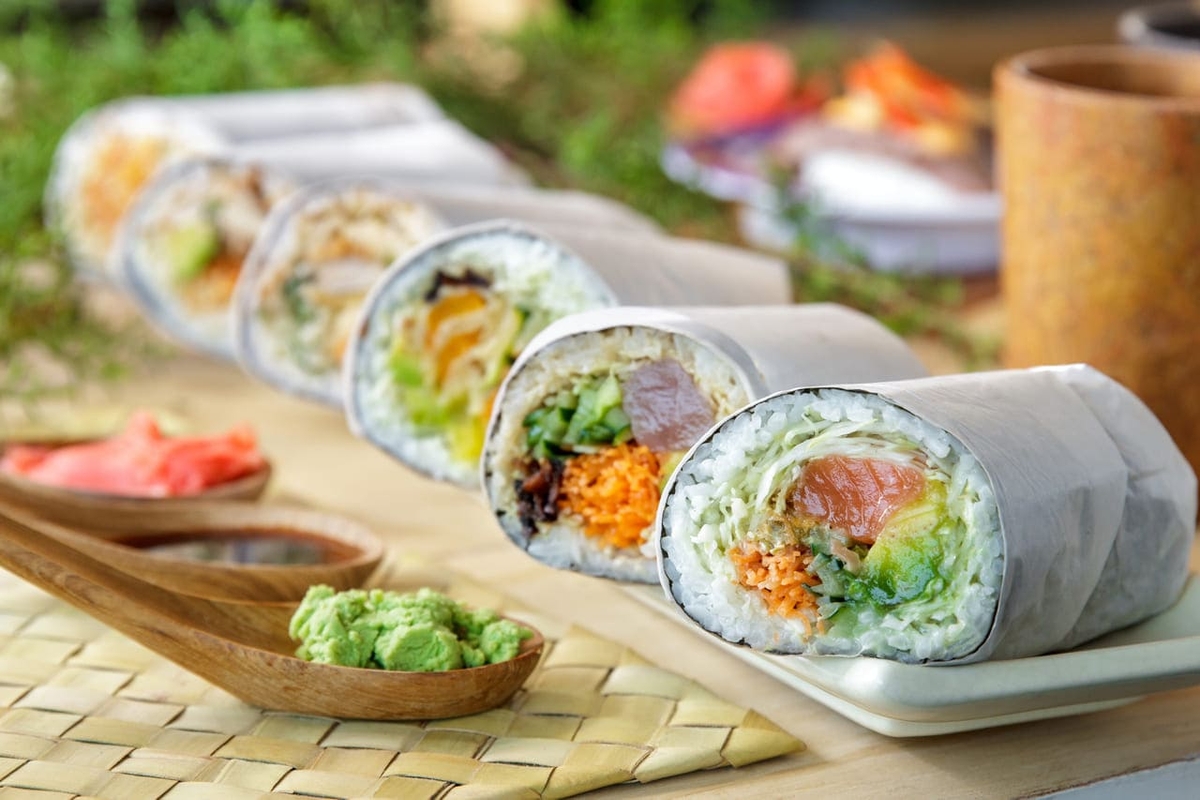
One of the main HoReCa trends for 2024 is the mixing of culinary traditions of different cuisines. Sushi burritos, kimchi tacos, thai pizza, white grape gazpacho — such exotic combinations can be seen on the menus of restaurants and cafes that are not afraid of experiments, want to surprise their guests with unusual tastes and can tell about the history and ingredients of each dish.
Local cuisine
Along with cuisine that combines the traditions of different cultures, food based strictly on local cooking techniques and local products will be popular this year. Regional food establishments will partner with local farmers to source the freshest ingredients and add local cuisine to their menus to demonstrate their identity and authenticity.
Plant food
The popularity of plant-based products continues to gain momentum. In almost every restaurant and cafe today you can find items consisting exclusively of plant ingredients: vegetables, fruits, seeds, grains, beans, and various herbs. Even fast food chains are introducing vegan items into their menus and using plant-based meat substitutes, for example, to make cutlets.
Molecular mixology
Molecular cuisine, which originated in the early 1990s, does not lose its position, but today it smoothly flows from the kitchen to the bar. This year, cocktail making will reach a whole new level, and bartenders will surprise visitors with drinks with edible bubbles of different flavors, aromatic herbs and a haze of liquid nitrogen in the glass.
Simple food
Comfort food is what’s trending. Guests are increasingly choosing simple dishes with a small number of ingredients and simple taste. At the same time, the quality of the products is extremely important to them — it must be at the highest level. In this regard, the rule of three becomes more relevant than ever: three perfectly selected ingredients can give the visitor more pleasure than dishes loaded with a numerous flavor palette.
Small portions
Several factors influence the trend toward smaller portion sizes. Firstly, the solvency of the population decreases, as a result of which visitors order fewer dishes. Secondly, wanting to try as many items as possible without overeating, guests of restaurants and cafes are increasingly ordering small dishes for the whole company. For this reason, the list of starters on the menu will likely grow, while the main course section will likely shrink.
Collaborations
Collaborations are a great way to reach new audiences. Therefore, today they can be found in a variety of areas, including HoReCa. Restaurants organize touring dinners with the participation of chefs from other cities and even countries, create joint projects with cosmetic brands, art galleries, clothing brands and other businesses in order not only to expand the list of their guests, but also to give visitors new emotions with the help of unique dishes.
Immersive gastro projects
The popularity of immersive gastro projects continues to grow, in which you can enjoy food and get an unforgettable experience. Exquisite dishes, mesmerizing visual compositions, conceptual musical accompaniment — dinner literally turns into a real entertainment show, and guests of the establishment try different tastes and are transported to other eras and exotic places.
Self-service and automation
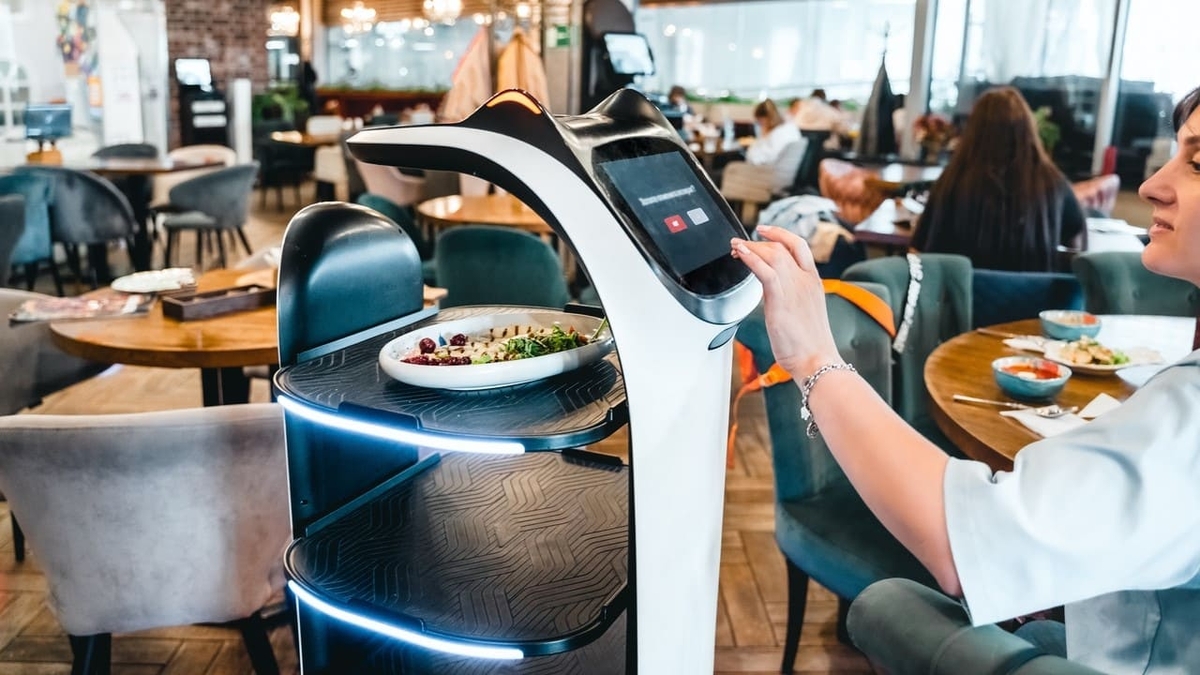
The automation trend is not new, but it still does not lose its relevance. Contactless ordering, QR code menus, self-service terminals, robot waiters — this is already a reality. Such technological solutions distinguish catering establishments from competitors, guests like them for their convenience, attract attention and save money, as well as the time and effort of employees.
Food trucks
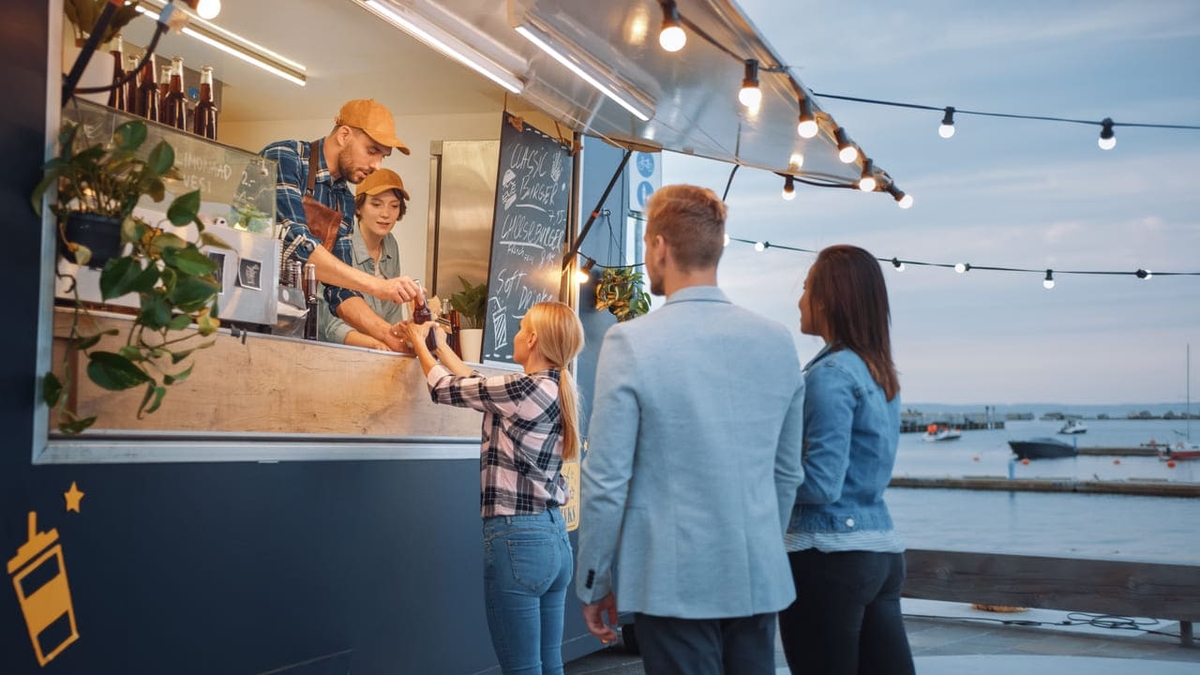
Food trucks are a big trend in street food in 2024. This can be either a full-fledged vehicle with a built-in kitchen or a trailer van. For those who just want to open their own gastro business, this is an excellent option, since food trucks require less investment. In addition, you can change the point of sale several times a day and make a bright van moving around the city part of a marketing campaign.
REQUEST THE CONDITIONS OF PARTICIPATION
* Resources: gastronom.ru, theblueprint.ru, tastesofrussia.ru, restorator.chef.ru, restorating.ru, delovoymir.biz, gazprombonus.ru, kontur.ru, docsinbox.ru
Celebrating Innovation in Every Episode
Welcome to the second season of the Speaking of Mol Bio Podcast! In Season 2, join us as we explore the latest breakthroughs, cutting-edge technologies, and inspiring stories in molecular biology. Episodes will cover transcriptomics in biopharma, the use of molecular biology by CROs, and diverse areas like brewing, food testing, and biosecurity. Get ready for a journey of discovery and expert insights that spark curiosity.
Transcriptomics | High-throughput transcriptomics and AI for drug discovery
We kick off Season 2 with a great conversation featuring an entrepreneur using high-throughput transcriptomics and AI to innovate drug discovery. Join us to learn how miniaturization and automation are generating astoundingly large transcriptomics data sets and how generative AI methods are being applied to link the structure and activity of small molecules with RNA fingerprints.
Sneak a peek at what’s to come in Season 2 of this series. Steve dishes on what changes to expect, as well as what constants persist as the series evolves. Discover which topics we have in store for you in our upcoming episodes by watching this trailer.
Explore Trending Techniques in Molecular Biology
Welcome to the first season of the Speaking of Mol Bio Podcast! In Season One, we feature insightful discussions on the latest advancements in molecular biology. Listen to our experts unpack the current trends in molecular biology and how they are reshaping the future of science.
Single-cell | A look into the fruit bowl of biology
In this episode of Speaking of Mol Bio, we speak with Dr. Mandovi Chatterjee about single cell analysis. Dr. Chatterjee is the Director of Single Cell Core at Harvard University Medical School. She has spent her career at the exploring and mastering a wide variety of single-cell methods. In conversation with Dr. Chatterjee, our hosts dive into the more technical aspects of this ever-evolving field. We also learn an interesting analogy to better understand the difference between bulk and single-cell RNA sequencing.
Read related articles on multi-omics
Multi-omics I The intersection of biology and technology
Join us as we talk with Dr. Stan Roux from the University of Texas at Austin. Driven by his fascination with plants, Dr. Roux’s research on signal transduction explores how environmental stimuli shape growth behavior. Discover his unlikely career path and his groundbreaking collaborations with NASA, conducting experiments to understand the impact of gravity on plant development. Explore the captivating world of plants and their untapped potential, as we delve into this engaging conversation.
Read related article on multi-omics
CRISPR | An insider’s perspective on CRISPR
Dr. Doris Beylkin provides valuable insights and expert advice on CRISPR cell engineering, including experimental design, troubleshooting, common applications, and the evolution of CRISPR and gene editing.
Read related article on molecular biology
Exosomes | The early realization of the exosome’s potential
Dr. Johan Skog, Chief Scientific Officer at Exosome Diagnostics talks exosome history, innovation, and the first approved diagnostic tool.
Read related article on exosomes
Exosomes | Exploring the body’s extracellular delivery system
Listen to an engaging chat on exosomes with Jim West, CEO of Clara Biotech, as we explore their use in diagnostics and therapeutics.
Read articles on molecular biology
Multi-omics | Investigating the body’s internet
An exciting conversation with Steve Williams, CMO at SomaLogic, as he discusses the potential of proteomics for personalized medicine.
Read related article on multiomics
Multi-omics | The importance of science in data science
Join us for a conversation on multiomics with Chris Whelan of Johnson & Johnson, as he explains the basics and the potential for treating diseases.
CRISPR | Making the world better
Join us for Speaking of Mol Bio’s debut episode with Synthego’s Travis Hardcastle exploring CRISPR cell engineering: gene editing, bioproduction automation, and personalized medicine.
Read related article on CRISPR
Welcome to Speaking of Mol Bio! Join our hosts as we explore the latest advancements in molecular biology, including CRISPR, single-cell analysis, and more. Get ready to dive into the cutting-edge research and speak with leading experts in the field.
Subscribe now to listen to Speaking of Mol Bio Podcast on your favorite streaming platform!
Hero banner white gradient overlay
For Research Use Only. Not for use in diagnostic procedures.